Insurance in superannuation remains one of the system’s most important member protections. But as the environment continues to evolve, how should insurance adapt? What challenges are emerging in claims, product design and member engagement? And how can the sector continue delivering strong outcomes for members?
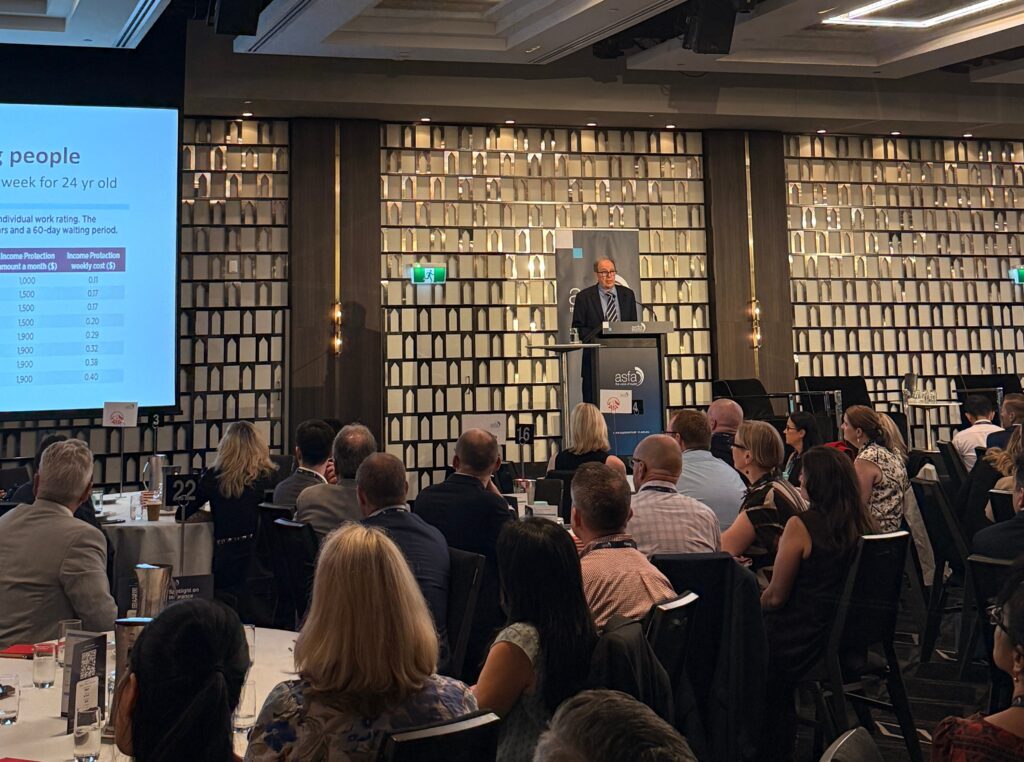
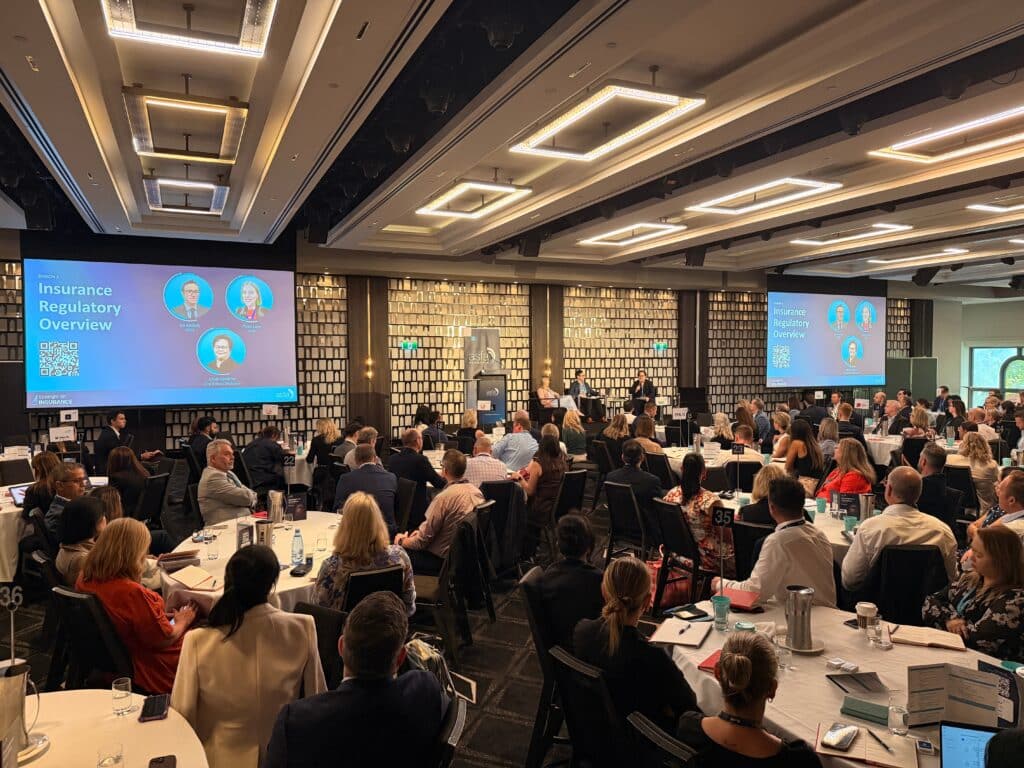
These questions and more were explored at ASFA’s Spotlight on Insurance event, where around 300 delegates from across the superannuation ecosystem gathered to discuss the future of insurance within the super system.
From regulatory settings and claims processes to mental health and emerging technologies, the program provided a wide-ranging discussion on where the sector has come from and where it may need to go next.
Looking back to look forward
Opening the event, ASFA’s Head of Research Ross Clare reflected on the long history of insurance being delivered through superannuation.
New ASFA research showed that group insurance in super provides widely accessible cover with strong payout and acceptance rates, delivering significant value for members. However, policy changes such as the Protecting Your Super and Putting Members’ Interests First reforms have altered the landscape, particularly for younger members and those with inactive accounts.
Should the sector revisit these settings? And how do we ensure members continue to receive meaningful protection through the super system?
These questions framed many of the discussions throughout the day and highlighted the importance of maintaining the strengths of group insurance while continuing to adapt the system to changing member needs.
Understanding where problems arise
Heather Gray from AFCA provided insight into complaints relating to insurance in super.
AFCA only sees cases where issues arise rather than the large majority of claims that proceed smoothly. Even so, complaints relating to delays have increased by around 35 per cent, while complaints regarding claim denials have risen by around 50 per cent.
Mental health conditions feature heavily in many of these disputes. A key takeaway was the importance of communication with claimants. When communication breaks down, trust can quickly erode and rebuilding that trust can be difficult.
The discussion also highlighted the sector’s increasing focus on claims handling standards. With regulators and policymakers placing greater scrutiny on the claims experience, funds and insurers are continuing to examine how processes, communication and service standards can better support members at what is often one of the most difficult moments in their lives.
Ian Beckett from APRA and Pippa Lane from ASIC shared perspectives on the regulatory environment for insurance in super.
Both speakers highlighted the importance of continuing to improve member outcomes while also acknowledging opportunities to reduce unnecessary reporting and regulatory burden where possible.
Progress is being made in addressing claims processing challenges, although the discussion made clear that there is still work ahead.
How well do members understand their insurance?
Research presented by TAL’s Dan Taylor explored how members view insurance through superannuation.
Levels of awareness and engagement vary widely. Many members remain uncertain about the details of their cover, yet those who actively engage with their insurance often report higher levels of financial confidence.
Interestingly, many members who interact with their insurance report that making changes to their cover is relatively straightforward, despite a broader perception that insurance through super is complex.
Greater member engagement therefore represents a potential win for both funds and members.
Mental health and the changing claims landscape
Mental health was a central theme across several sessions.
Dr Natalie Flatt from SuperFriend, Damian Hill from Commonwealth Superannuation Corporation and Jorden Lam from HESTA explored how changing workforce dynamics are contributing to rising levels of burnout, anxiety and depression.
These conditions often do not fit neatly within traditional insurance categories, prompting discussion about whether product design or legislative settings may need to evolve.
Early intervention was repeatedly highlighted as a critical factor in improving outcomes for members experiencing mental health challenges.
Further discussion from Chief Medical Adviser Dr Charles Phillis, Acenda’s Andrew Beevors and UniSuper’s Darren Williams examined the complexity of Total and Permanent Disability claims.
We heard that for medical practitioners and treating professionals, the claims process can be highly legalistic and difficult to navigate. This raises broader questions about whether the system is too focused on claim acceptance or rejection, rather than supporting recovery outcomes.
The final session of the day also examined the complexities of personal injury claims within group insurance arrangements.
Is the sector ready to rethink how TPD and disability income insurance operate?
Rethinking renewal and innovation
Other sessions explored the evolving nature of insurance products as funds grow, merge and serve increasingly diverse member bases.
Traditional risk assumptions and premium categories may no longer reflect modern workforce realities. Funds are also renewing themselves, with changing member demographics and new expectations from members.
Panellists discussed how product redesign, digital tools and innovation will play an increasing role in the insurance proposition.
Technology is also shaping the claims environment. Speakers highlighted the growing role of artificial intelligence in assisting with complex claims processes, while emphasising that a human touch remains essential when supporting members through difficult circumstances.
Continuing the conversation
If there was one theme running through the day, it was that insurance in super continues to evolve alongside the broader superannuation system itself.
As member expectations change, workforce patterns shift and new technologies emerge, funds, insurers and policymakers will need continue working together to ensure insurance in super remains fit for purpose and continues delivering meaningful protection for millions of Australians.
ASFA’s Spotlight on Insurance will return in 2027, providing another opportunity for the sector to come together, share insights and continue the important conversation about the future of insurance in super.