Super funds will be able to give members simple, personal advice on a limited number of topics – and take members’ household circumstances into account when they provide this advice – under new legislation announced by Assistant Treasurer Dr Daniel Mulino at the ASFA Conference this afternoon.
The government will introduce the legislation, which has long been called for by the super sector, into the Parliament next week.
If the legislation passes, funds will be able to share the cost of super-provided advice across their membership, so the member who receives the advice will not have to pay a separate fee for it.
Increased access to simple, trustworthy advice
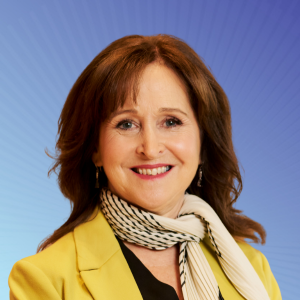
“These changes will increase the number of Australians who will be able to access trusted sources of financial advice,” said ASFA CEO Mary Delahunty.
“Increasing access is crucial because people who can’t get advice from a trustworthy source tend to look for that information elsewhere. That leaves them more exposed to misinformation and to people who seek to take advantage of them. Advice from a regulated super fund that the member already belongs to will reduce that risk.”
ASFA research shows half of Australian adults have never consulted any source of information about retirement. Financial advisers and advisers provided by super funds are among the sources Australians trust most, but few people use them before they reach retirement age, and Australians aged 18 to 34 are ten times more likely than those over 65 to look for retirement information on social media.
Permitted advice topics
ASFA anticipates that the changes will enable advice to be provided on the following topics:
- Super contributions, including whether to salary sacrifice or make a concessional or non-concessional contribution, how spouse contributions and contribution splitting work, and whether a member can make a downsizer contribution after selling their home.
- Investment options, including whether to change investment options within the fund, based on the member’s goals and how close they are to retirement.
- Insurance held through super, for example, how much cover the member has and the types of cover available through the fund.
- Retirement income, including questions like when to start a transition to retirement income stream, which retirement income product to use, how much to draw down each year, whether to take a lump sum, and how to manage the risk of outliving their savings.
Age Pension and household finances can be taken into account
Funds will also be able to consider a member’s personal circumstances when they give advice in super. These will include the household’s cashflow and income, assets and debts held outside super, the financial position of the member’s spouse, and eligibility for the Age Pension, Carer Allowance and other government payments and services.
For example, a member aged 66 who asks how much to draw from their account-based pension needs an answer that accounts for their partner’s super, the remaining mortgage, and whether the couple will qualify for a full or part Age Pension. These circumstances will inform the advice about the member’s super but will not be able to be the main subject of it.
“Most Australians retire on a combination of super and the Age Pension. A useful answer about drawing down super depends on the member’s pension eligibility and their household’s finances. The new legislation will enable funds to take those things into account, and provide simple advice,” Ms Delahunty said.
Financial advisers to remain the source of comprehensive financial advice
Advice in super will not cover buying or selling assets or financial products held outside super, holistic financial planning, or estate and tax planning. Australians who need that advice will continue to get it from a financial adviser outside super.
There are about 15,000 advisers on the ASIC Financial Advisers Register, down from about 28,000 in 2018. Meanwhile, 2.5 million Australians are set to retire over the next decade.
“Financial advisers outside super will continue to do the often complex and comprehensive work that super funds won’t be authorised to do under these rules. Advice in super will serve members with simpler questions about their super, many of whom have never received any advice in their lives because it has been prohibitively expensive.
“It will increase the number of Australians who receive advice, and members whose needs become more complex will still need a financial adviser,” Ms Delahunty said.
Members of the media may contact:
Scott Roberts
Media and Content Lead
sroberts@superannuation.asn.au
0451 949 300
About ASFA
ASFA is the peak policy, research and advocacy body for Australia’s superannuation industry, and the only industry body that represents all parts of the APRA-regulated system.
Our more than 100 members include retail, industry, corporate and public sector funds and their service providers. For over sixty years, ASFA has been the voice of super, advocating for a dignified retirement for all Australians. Through research, advocacy and collaboration, ASFA promotes efficiency, sustainability and trust in Australia’s world-class retirement income system.