Younger Australians aged 18 to 34 are ten times more likely than those aged over 65 to consult social media for information about retirement, new ASFA research shows. This is despite social media ranking as Australians’ least trusted source of retirement information.
Concerningly, only half of all Australians aged over 18 have consulted any source of information about retirement at all. While that share rises with age, it does not rise by much, meaning a large number of Australians approaching retirement are making decisions with little to no guidance.
The findings come from a representative survey of 1,500 Australians, which examined how people source and trust information about retirement. They highlight the urgent need for the government to progress financial advice reforms, to increase Australians’ access to affordable, trusted advice through their super funds.
Trust and usage of different sources of retirement information
The research measured both how much Australians trust each source of information and how often they use it.
Across all age groups, the most trusted sources are professional advice services (financial advisers), advisers provided by super funds, and industry benchmarks such as the ASFA Retirement Standard. Social media is consistently the least trusted.
The sources of information Australians rate as the most trustworthy are not the ones they use the most. The clearest example of this is advisers provided by super funds: Australians across every age group place high trust in these advisers, but few make use of them until they turn 65.
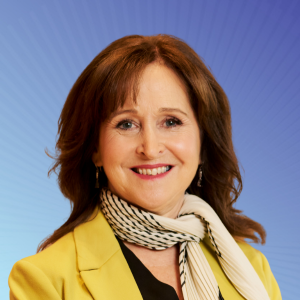
ASFA CEO Mary Delahunty said that the findings indicate the current system settings are not ensuring advice gets to those who need it, and that the problem is one of access to advice rather than the trustworthiness of advice.
“Australians know which sources of retirement information they can rely on. The problem is that the sources they trust most are often the hardest for them to reach. Barriers like the cost of accessing an adviser outside of super, and limitations on the scope of advice that can be provided by super fund advisers, really get in the way of people getting the trustworthy information they need.
“These access problems are worst for younger Australians, who are turning to social media for information even though they trust advisers much more as a source of information. This, added to the fact that half of all adults have not sought any information about their retirement, is a strong signal to the industry and policymakers that the current settings mean advice isn’t reaching people where they are in life,” Ms Delahunty said.
A shrinking pool of advisers
The research also points to structural problems with the financial advice market. The number of licensed financial advisers is around 40 per cent lower than a decade ago, while the number of Australians with a super account is around 20 per cent higher over the same period. Fewer advisers are serving more people with superannuation.
The cost of not being advised is not spread evenly between age cohorts. The value of good advice is greatest for younger Australians, who have the most time for decisions to compound. For a 30-year-old on average wages, an extra quarter of a percentage point in annual investment returns means around $40,000 more at retirement. For a 50-year-old, the same difference is worth about $7,000.
“With 40 per cent fewer financial advisers than ten years ago, and more Australians in the super system than ever, the case for progressing legislation to let funds provide more advice has never been stronger,” Ms Delahunty said.
Policy implications
The findings strengthen the case for progressing advice reforms, through Tranche 2 of the Delivering Better Financial Outcomes (DBFO) package, as a priority. The reforms are designed to widen access to low-cost, trusted advice through superannuation funds by:
- Allowing funds to send targeted superannuation prompts, or nudges, to members at key moments
- Expanding low-cost, collectively charged advice on a defined set of topics through members’ own funds
- Introducing a new class of advisers to lift the overall supply of advice
“The advice Australians trust most sits inside their super funds, but current settings make it hard and costly to deliver. Making the super system simpler, with easier access to trusted advice, would change that,” Ms Delahunty said.
The full research report is available here.
Members of the media may contact:
Scott Roberts
Media and Content Lead
sroberts@superannuation.asn.au
0451 949 300
About ASFA
ASFA is the peak policy, research and advocacy body for Australia’s superannuation industry, and the only industry body that represents all parts of the APRA-regulated system.
Our more than 100 members include retail, industry, corporate and public sector funds and their service providers. For over sixty years, ASFA has been the voice of super, advocating for a dignified retirement for all Australians. Through research, advocacy and collaboration, ASFA promotes efficiency, sustainability and trust in Australia’s world-class retirement income system.