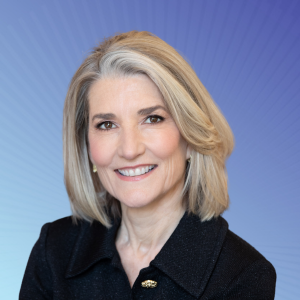
A recent survey by Equip Super reveals striking insights into how different generations view retirement. Equip Super’s Chief Experience Officer Carrie Norman unpacks the findings, exploring a growing divide in retirement readiness shaped by rising expectations, low planning rates and the need for more accessible, tailored support across the super system.
The way Australians think about retirement is evolving rapidly, divergently and sometimes concerningly.
Equip Super’s latest nationwide research for the Equip Super Financial Security Index uncovered some surprising results. Australians across generations are heading toward retirement in very different ways, and most don’t feel confident they are ready.
For younger Australians, retirement is a distant goal shadowed by economic uncertainty. They’re aiming high, setting super targets upwards of $2 million, but many are unsure where to begin. For older Australians, retirement is no longer a fixed destination but a moving target, shaped by cost-of-living pressures and health concerns. For Gen X, caught in the middle, the window to plan is narrowing fast, and they are worryingly underprepared.
The findings point to a growing disconnect between expectations and preparation. Australians now believe they’ll need nearly $1.9 million to retire comfortably, a figure that has doubled in just 18 months (since the last survey). Younger generations are aiming even higher, with Gen Z targeting $2.5 million and Millennials $2.1 million. But despite these aspirations, many remain unclear on how to reach them or whether they’re even achievable.
At the same time, retirement is being pushed further out. On average, Australians now expect to retire six years later than they once planned, although younger generations want to retire at significantly earlier ages. Boomers anticipate retiring around age 67, Gen X around 65, while Millennials and Gen Z hope to retire earlier, at 61 and 60 respectively.
Taken together, rising savings goals, delayed retirement and low planning rates help explain why retirement confidence remains elusive across the generations.
A retirement planning reality check
Less than half of Australians have a formal retirement plan, the survey revealed. Confidence in being able to retire comfortably remains low. And while each generation faces its own pressures: housing affordability, income security, healthcare, aged care, we’re all wrestling with the same question: how do I know if I’m on track?
The answer isn’t one-size-fits-all. But the turning point for many people, regardless of age or income, comes down to one thing, planning.
Planning isn’t just about numbers on a page. It’s about bringing structure to goals and clarity to decisions. It turns abstract fears like whether your super will last, or when you can afford to retire, into something tangible and manageable.
It also helps combat one of the most overlooked drivers of inaction: uncertainty. We heard from Australians who said they’d “worry about it later” or didn’t know where to start. That hesitation is completely understandable. But it also reinforces the broader issue: in the absence of clear guidance, even the most motivated savers can feel stuck. Small steps can unlock a shift in mindset from anxiety to action.
The generation at risk of being left behind
Among all the generations, Gen X stands out. Despite being closest to retirement age, only 37% say they have a formal plan in place, less than both younger and older generations. This is a group that’s often balancing peak career demands, ageing parents and, in some cases, dependent children. Planning may not feel urgent, but the opportunity to take the most meaningful action is now.
Gen X in particular needs support that reflects the complexity of their situation, navigating peak earning years, family responsibilities and looming retirement decisions, often all at once.
This isn’t just about age or stage of life. It’s about confidence and whether people feel equipped to make informed choices about their future.
The gap isn’t just between Boomers and Gen Z. It’s between those with a plan and those without. Those who’ve had the chance to sit down, map out their goals, and understand what’s possible, and those who haven’t.
Once a member has defined their goals, guidance from a planner or their super fund can help chart a realistic path forward. Even small steps taken now, like adjusting contributions or investment options, can have a meaningful impact on long-term retirement outcomes.
What the industry can do
One of the clearest signals Equip Super is seeing, both from research and member behaviour, is that people want more support, support that is easy to access and relevant to where they are right now.
A big focus has been ensuring guidance and advice isn’t only accessed at the end of the journey but supports members all the way through.
Equip Super has enhanced its processes and services, including proactive communications relevant to members’ life stages, boosted education programs, provided more advice at no added cost and expanded our Retirement Centre to offer personalised guidance to all members.
It’s about helping people take the next step, not overwhelming them. As an industry, we can focus on making those first planning steps easier, because for many, the barrier isn’t motivation, it’s not knowing where to begin.